

AI Products Are Hard to Design. We've Done It

End-to-end product design — Discovery through handoff, no gaps in the middle
Two angles, one agency — We design FOR AI companies and we USE AI in our design process. Both make your product better.
Series A/B AI startups — Not enterprise AI. Not consumer AI. Funded startups building the next generation of AI-powered products.
Free AI Product Design Concept. In 72 hours
We take on limited projects per week. Spots fill fast.
120+
100%
48h








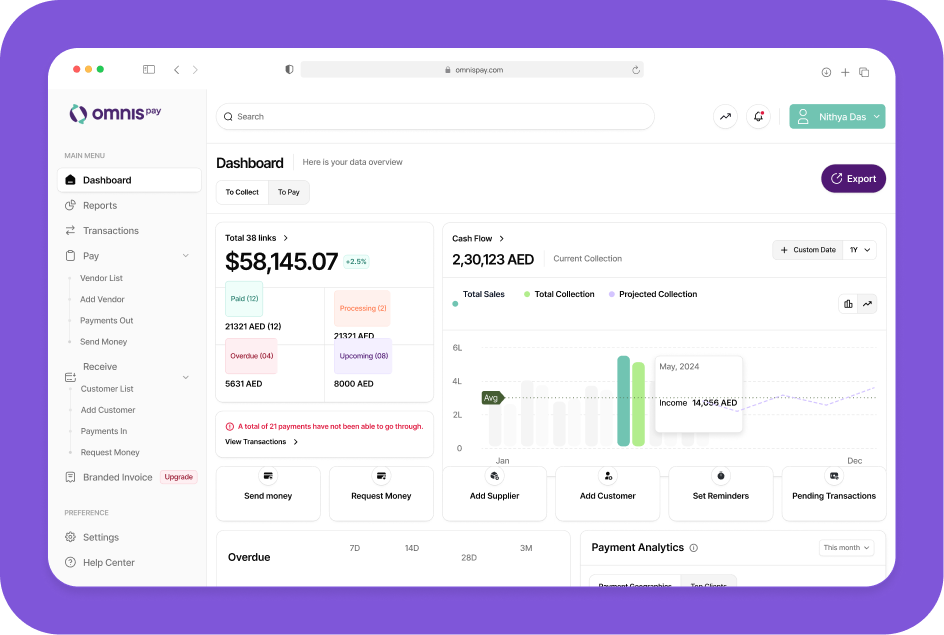
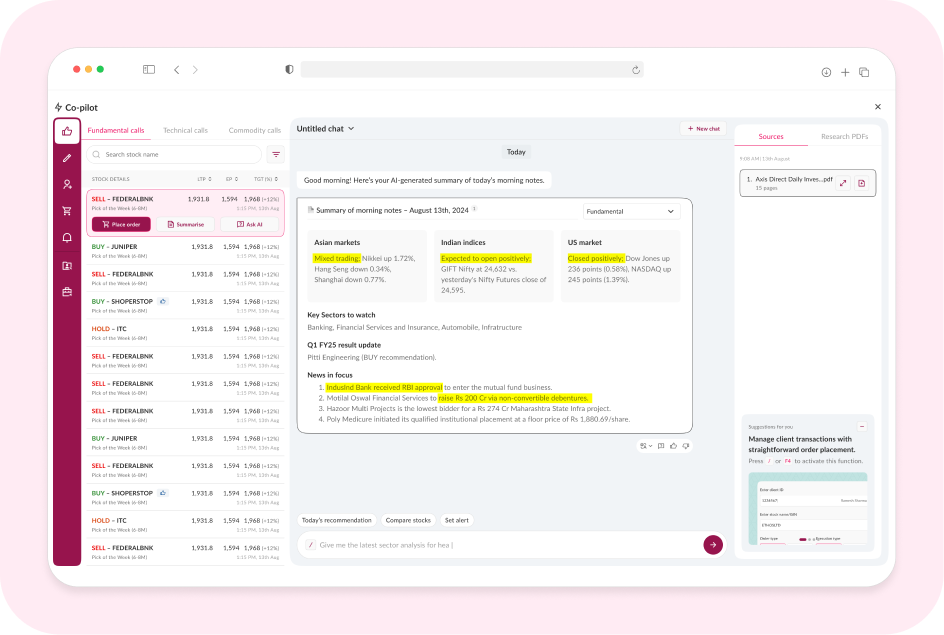
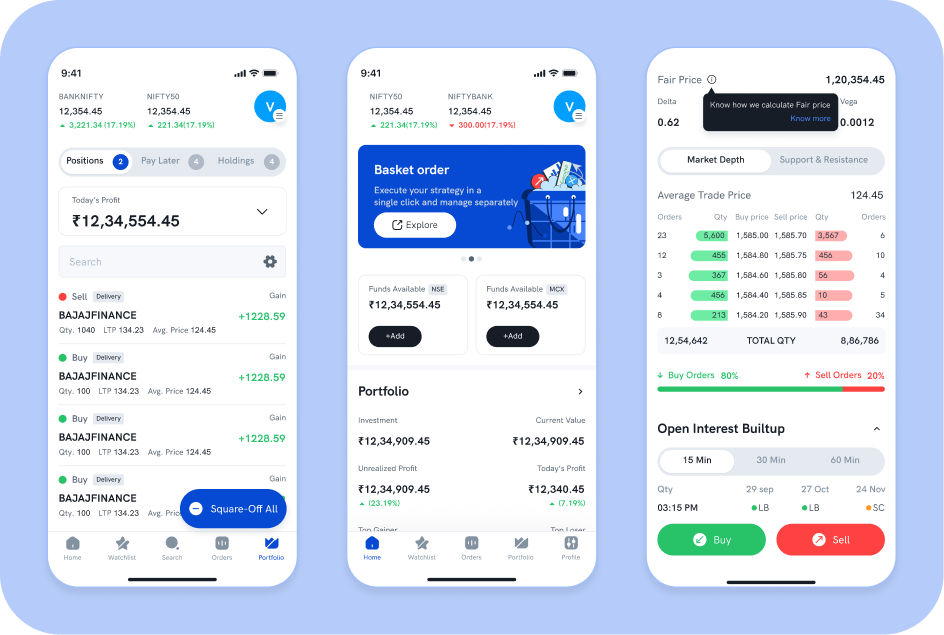
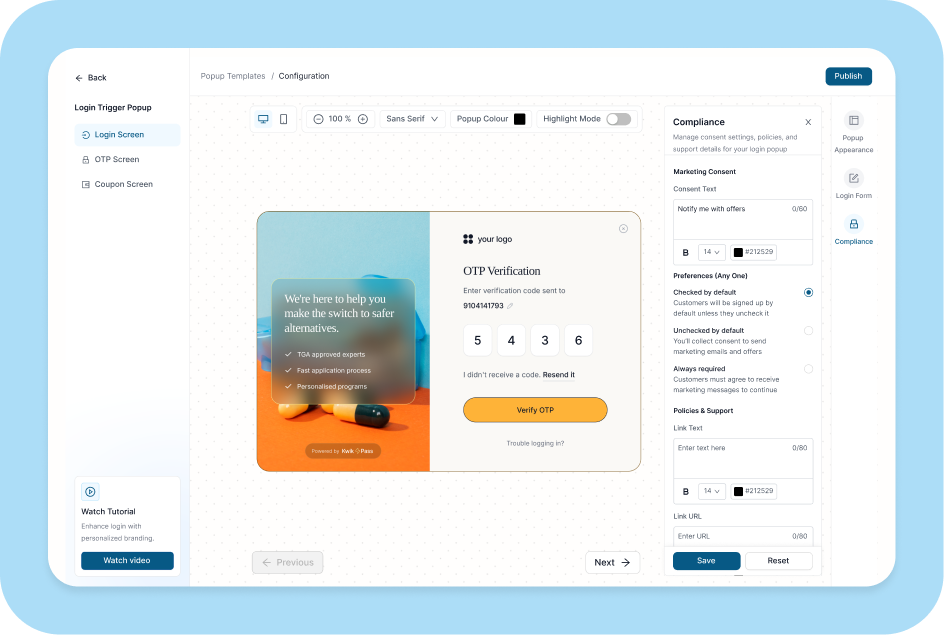
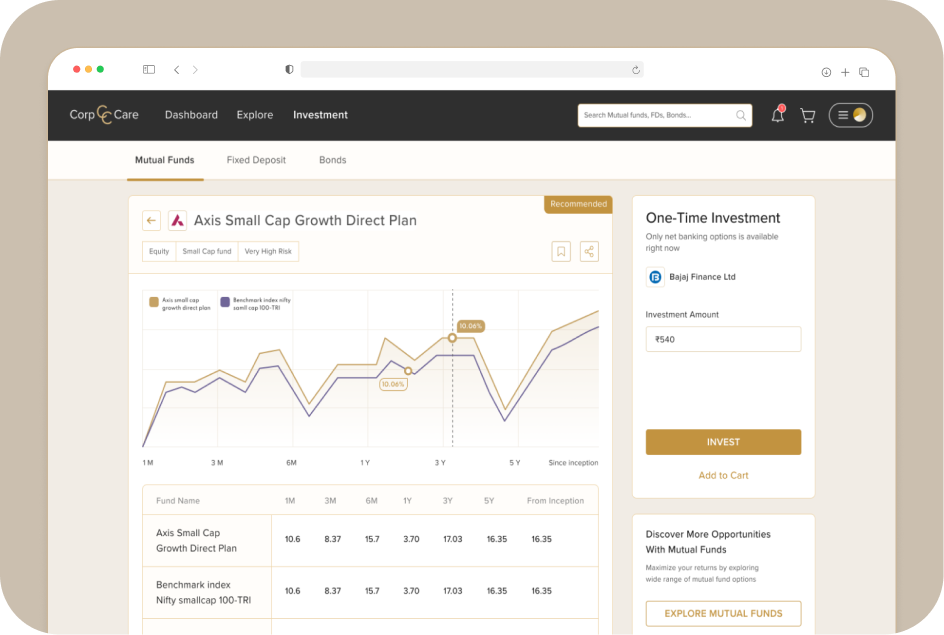
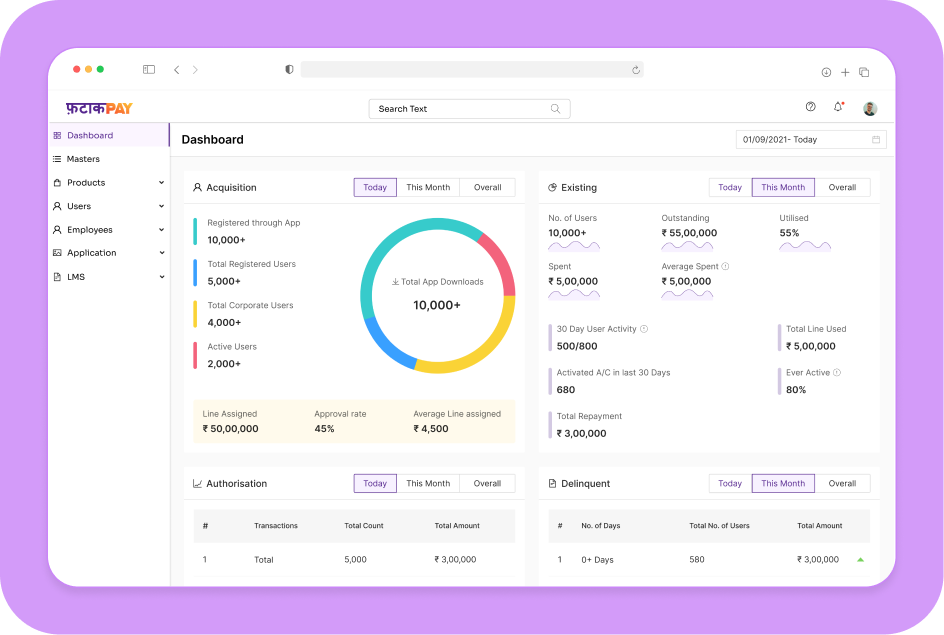
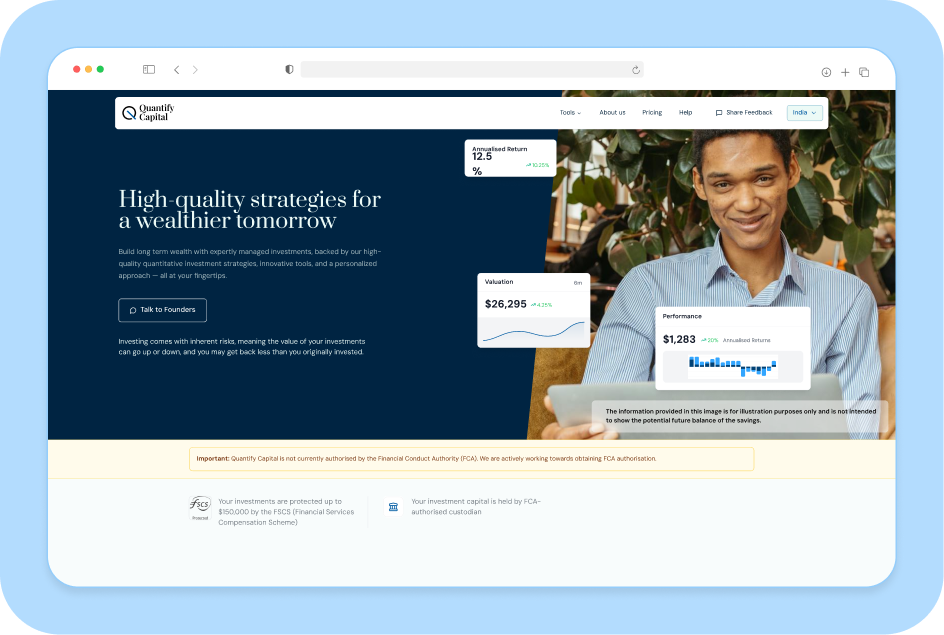
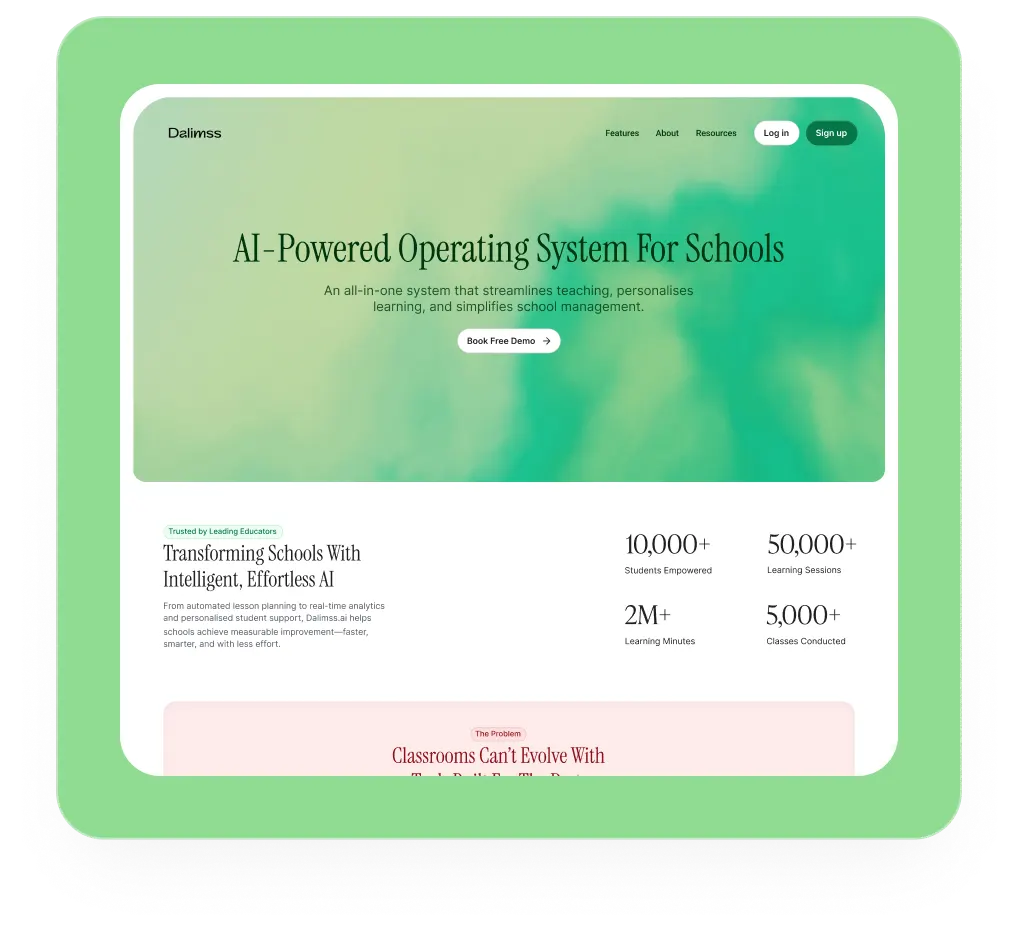
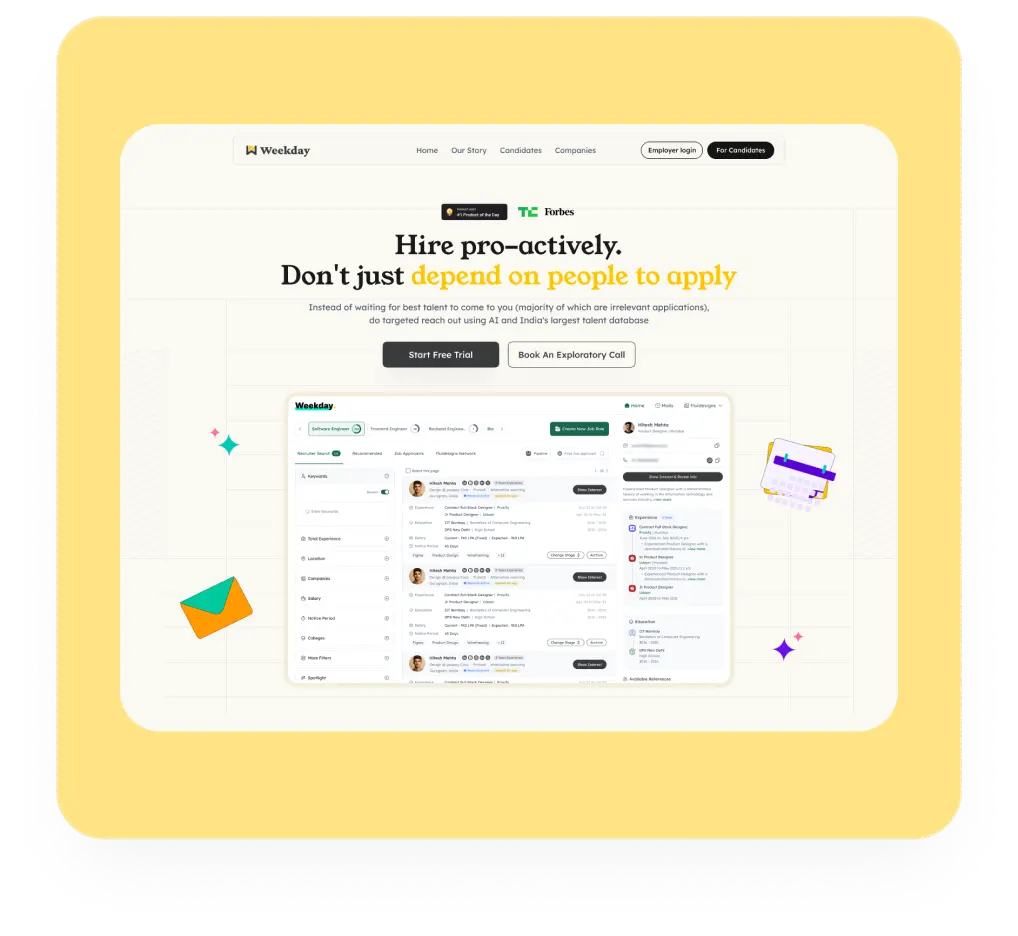
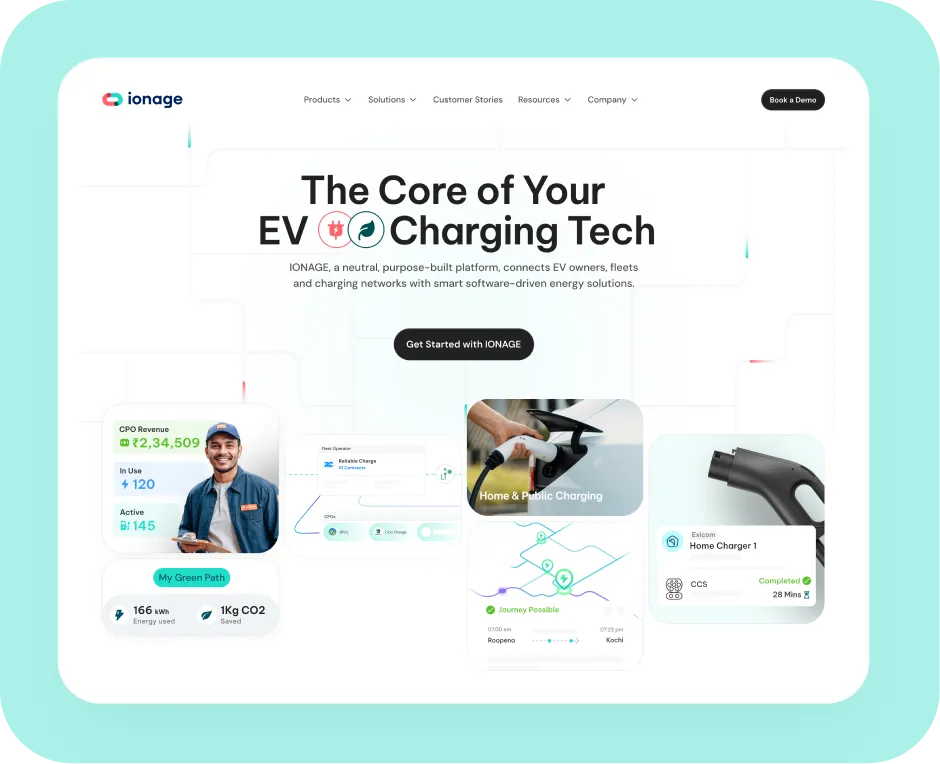
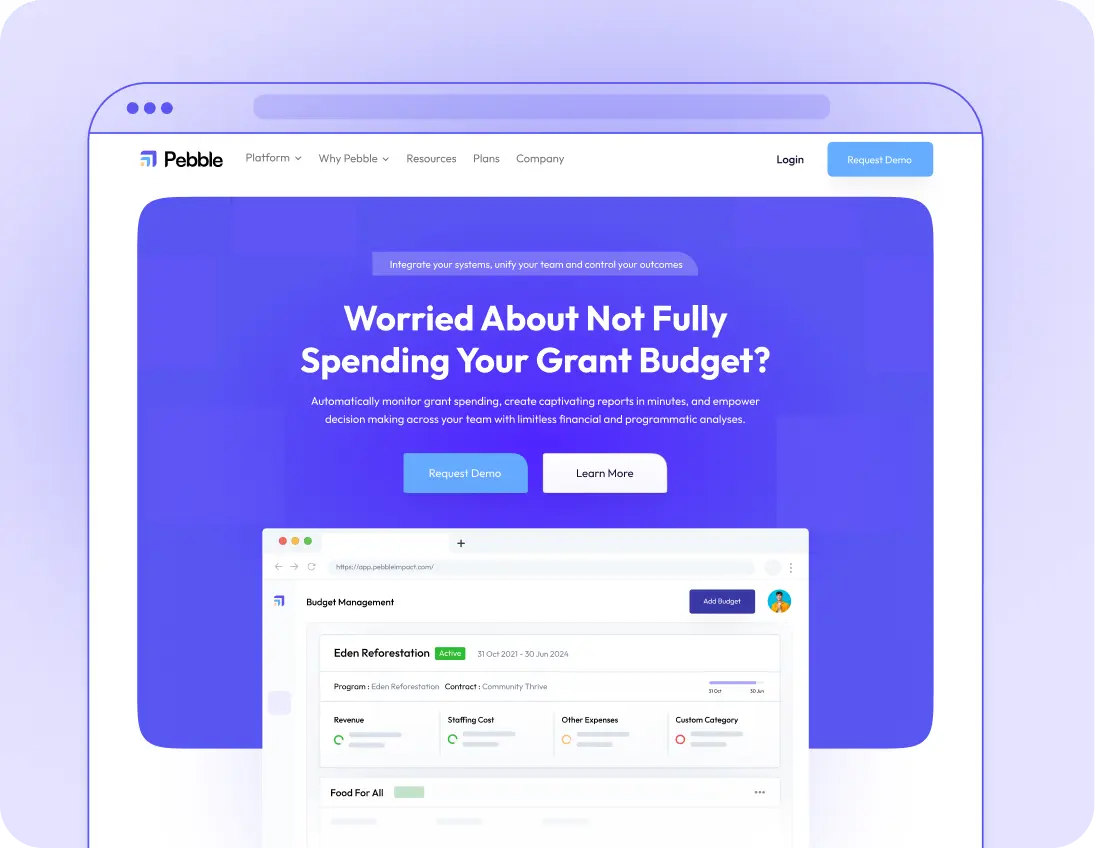
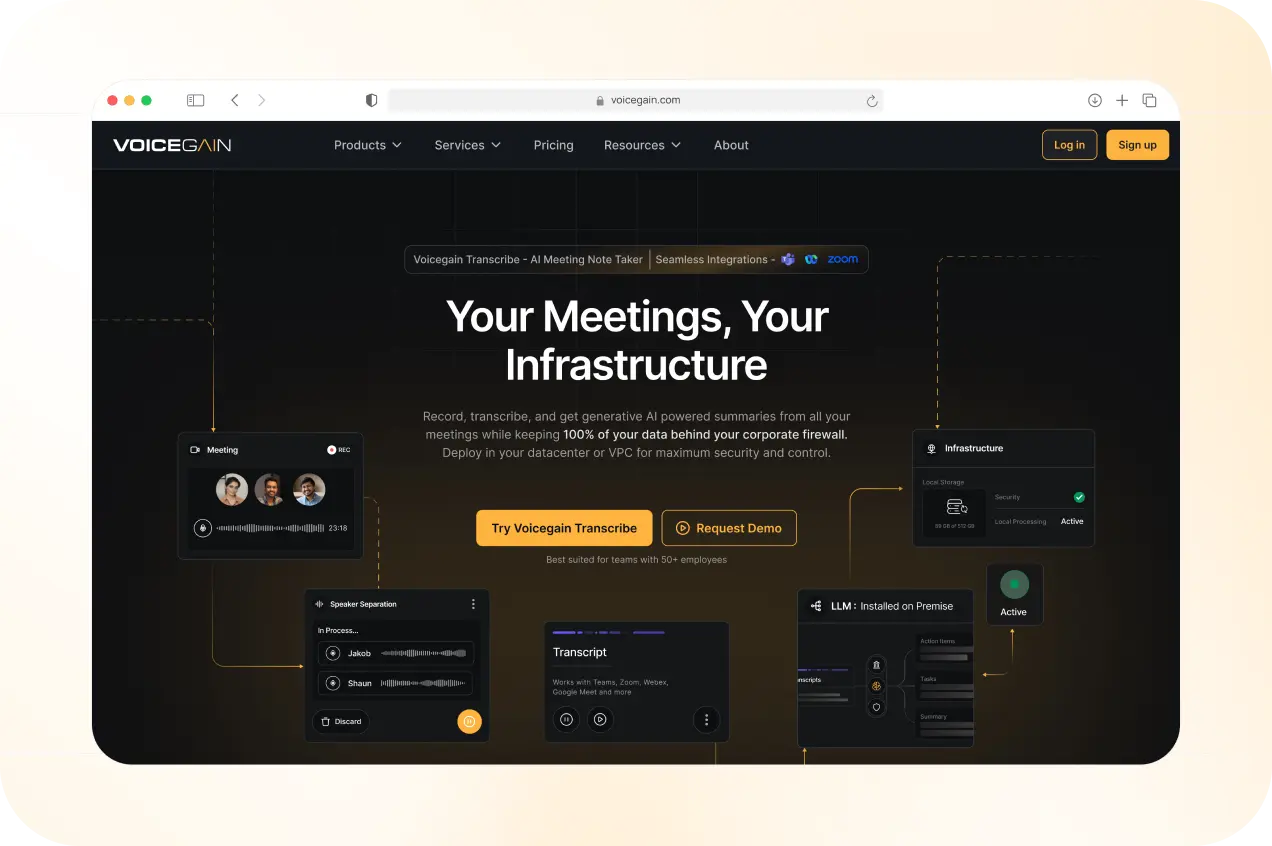
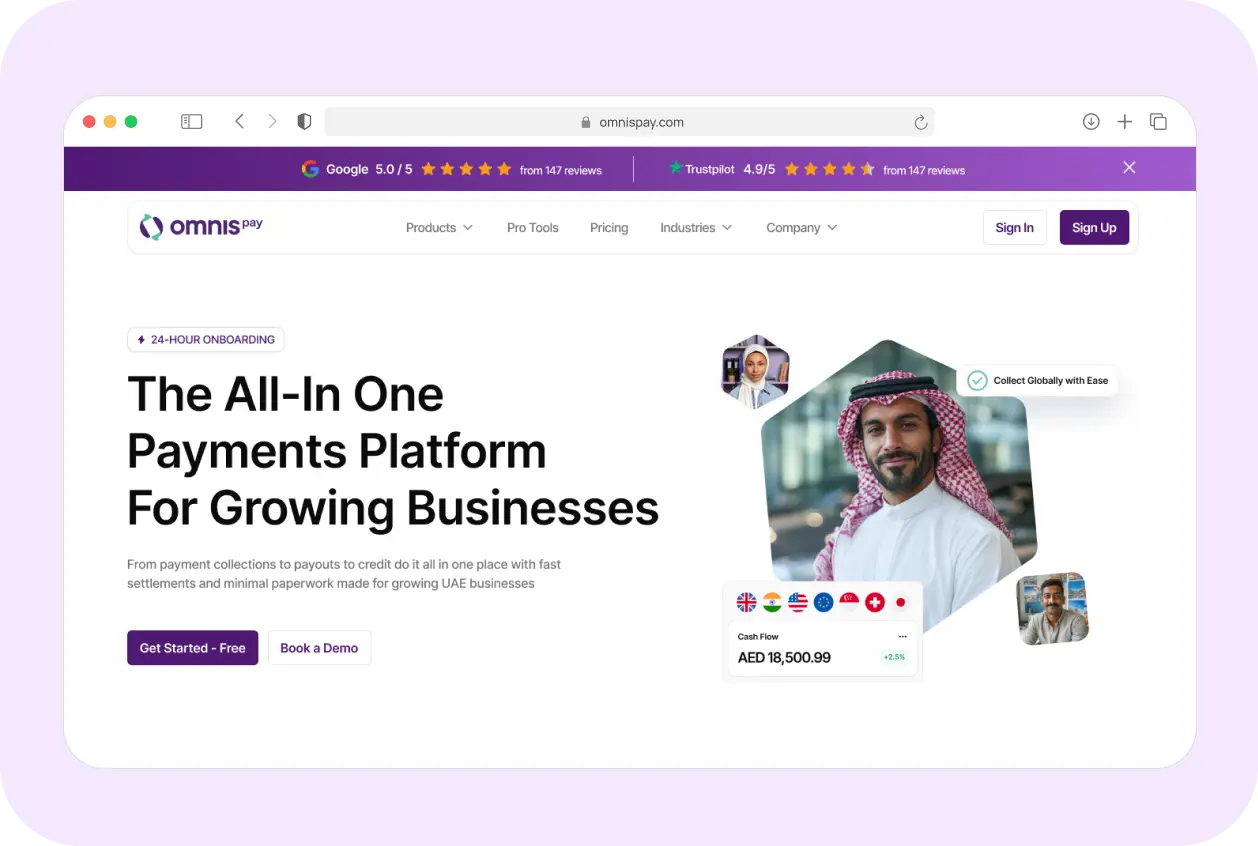
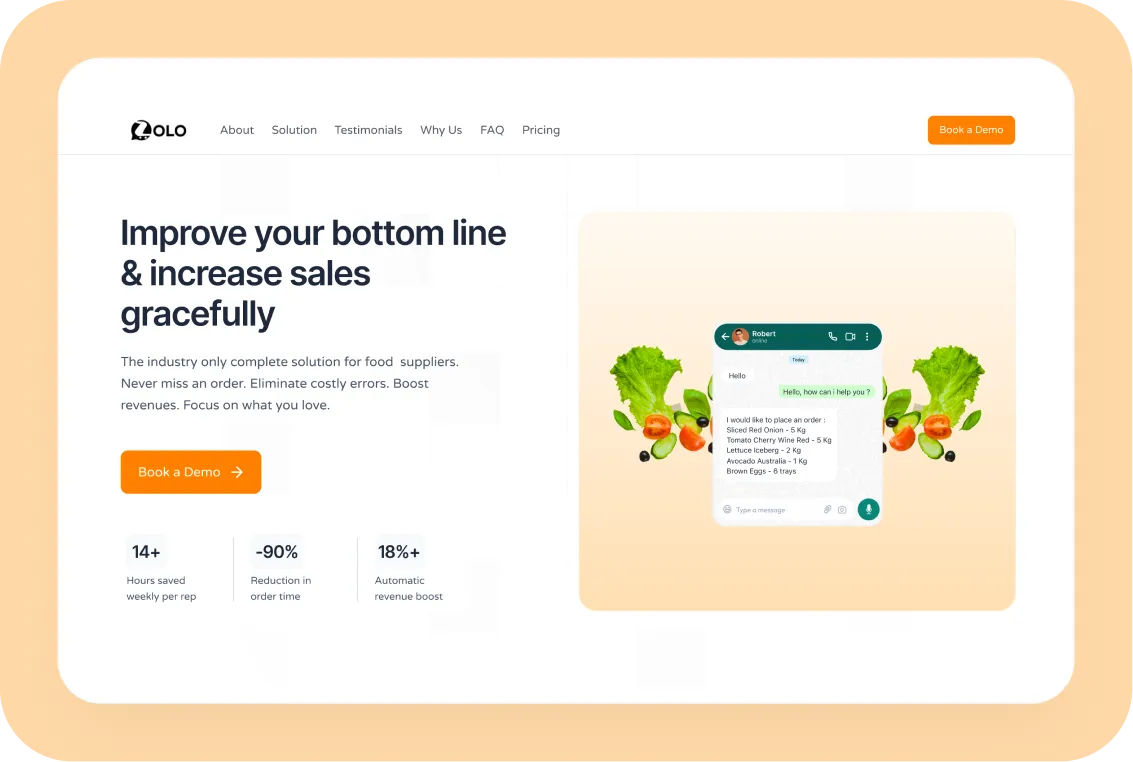
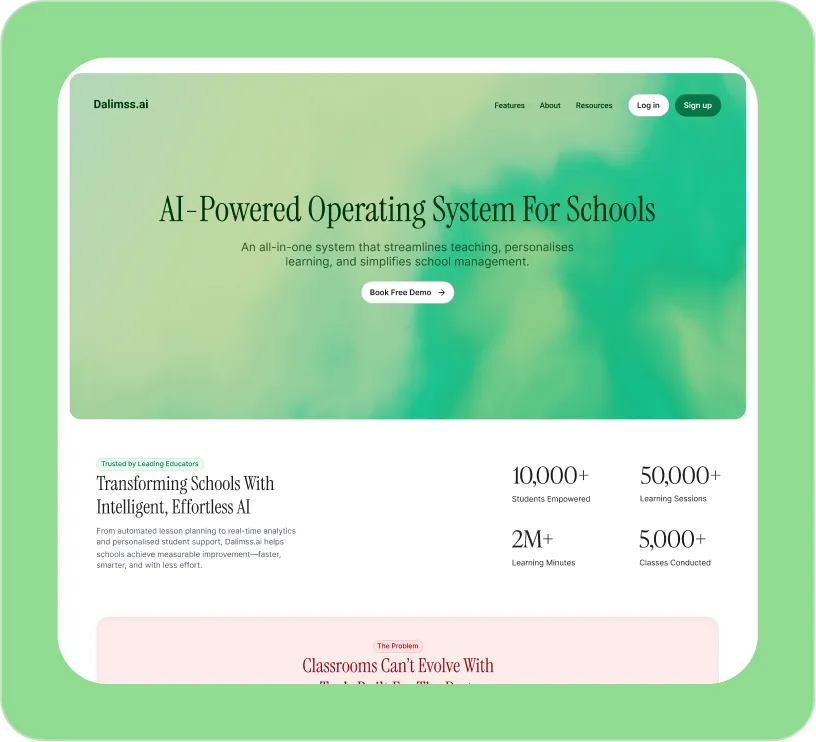
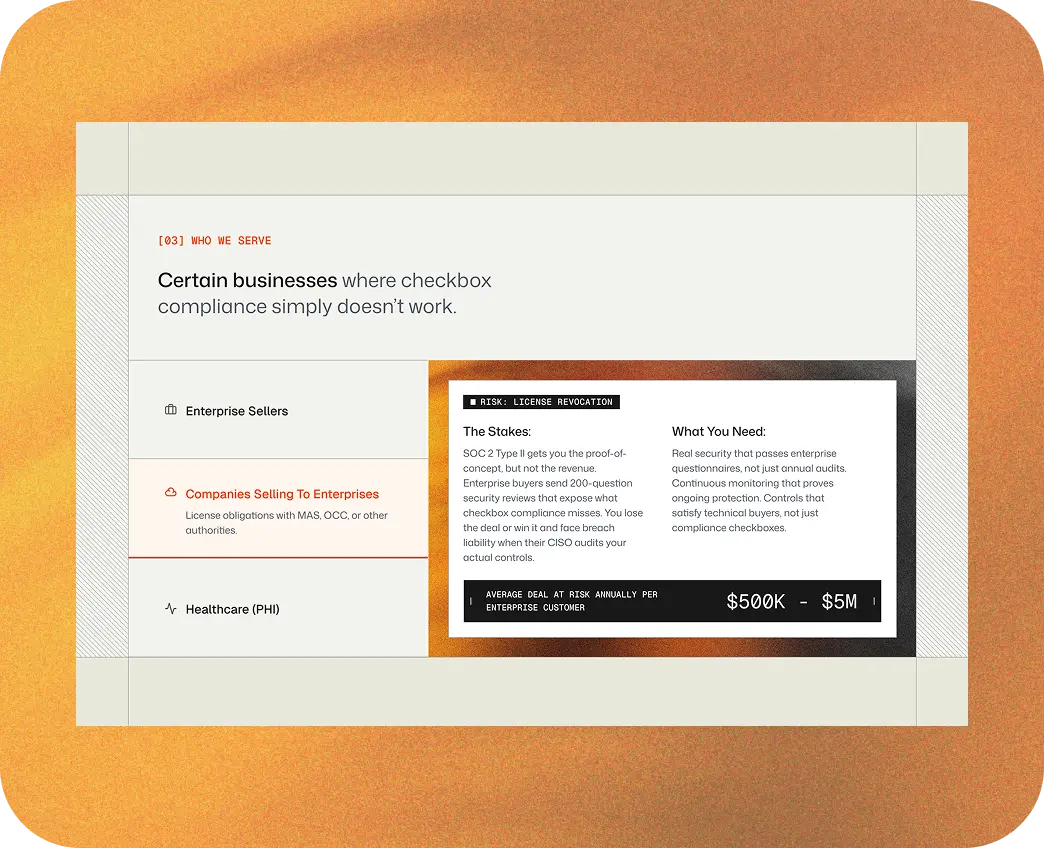
Recent AI Product Design Work
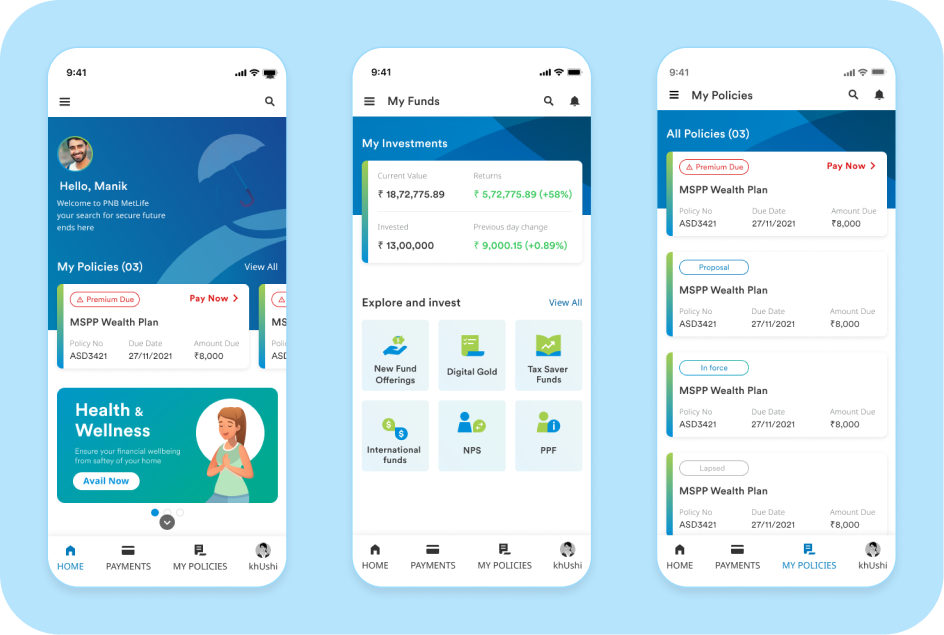
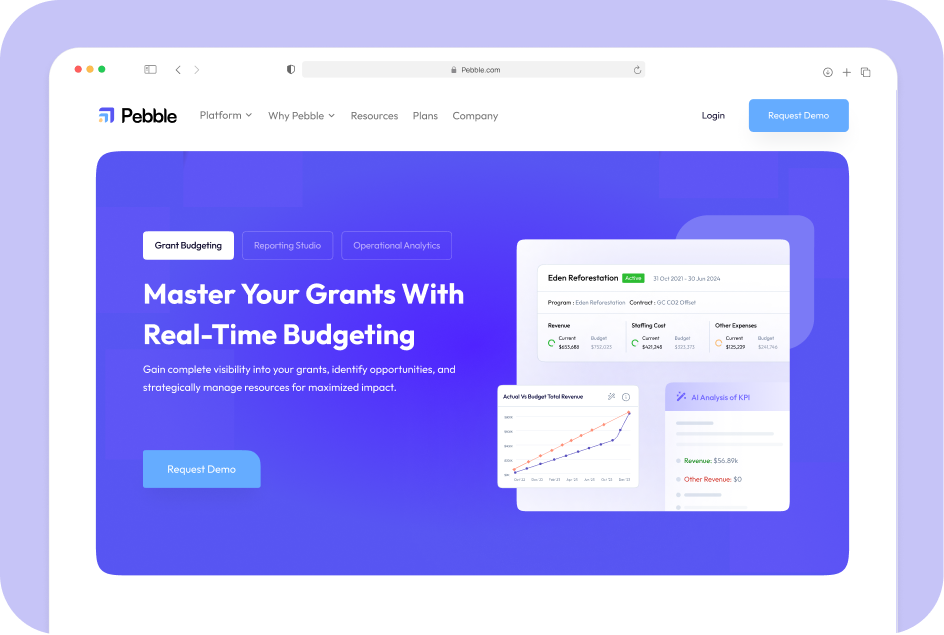
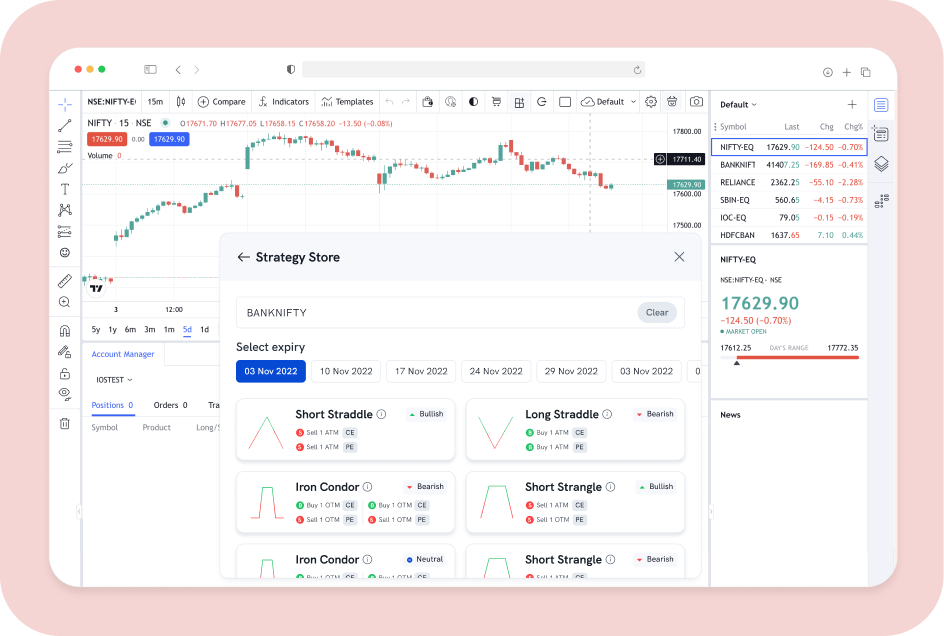
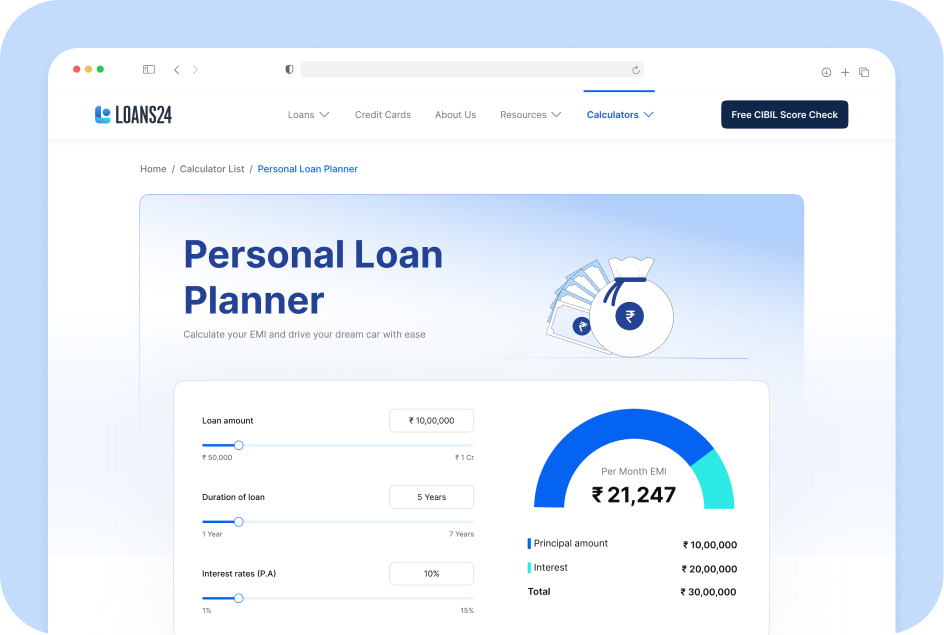
A selection of AI platforms, LLM interfaces, and AI-powered SaaS products we've designed.
.webp)
.webp)
.webp)
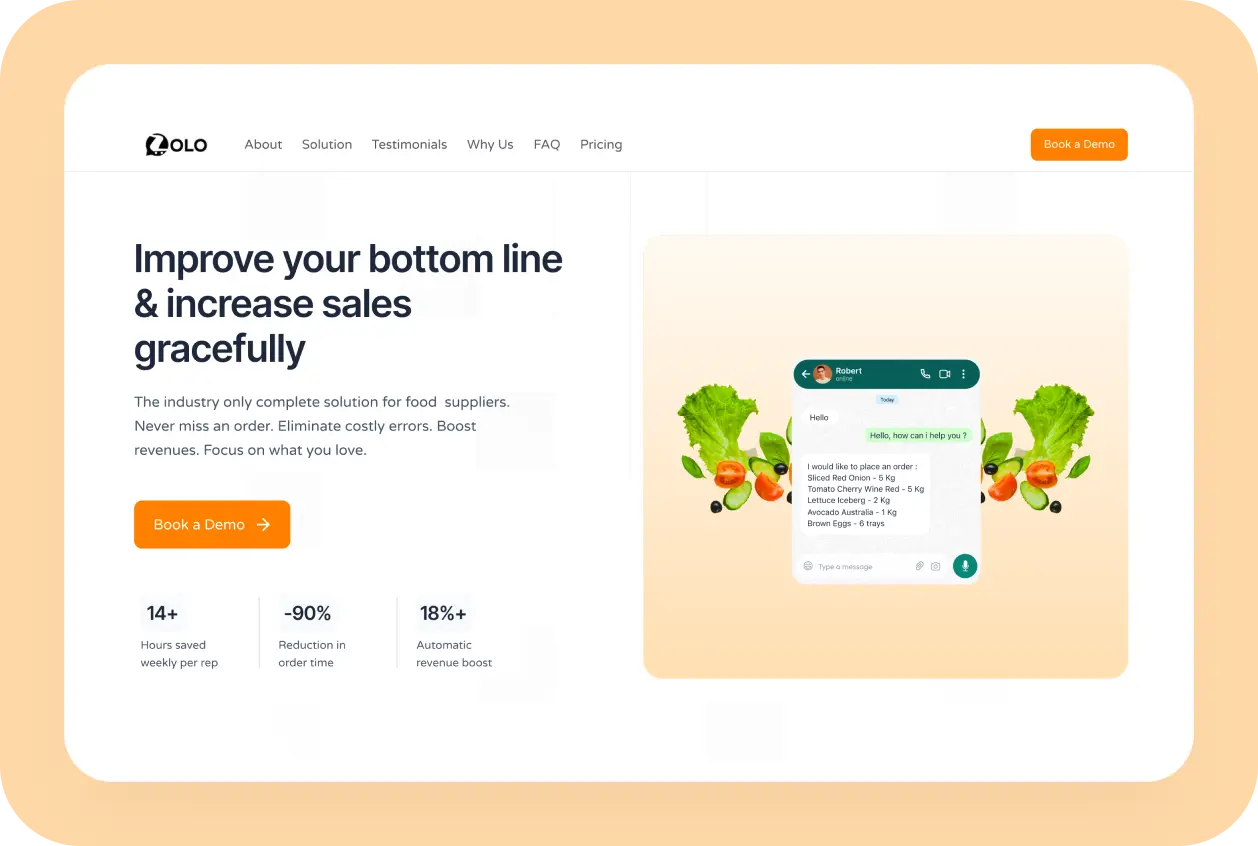
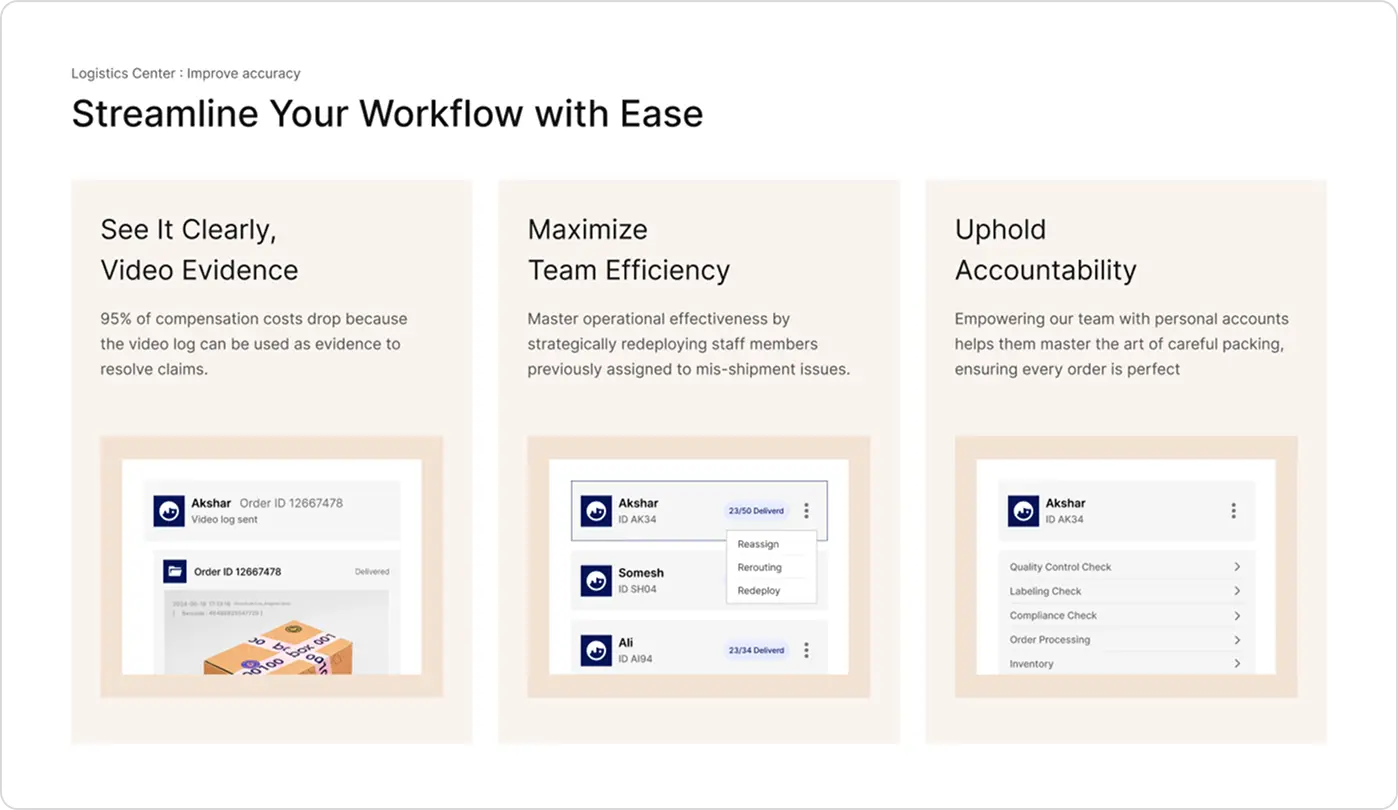
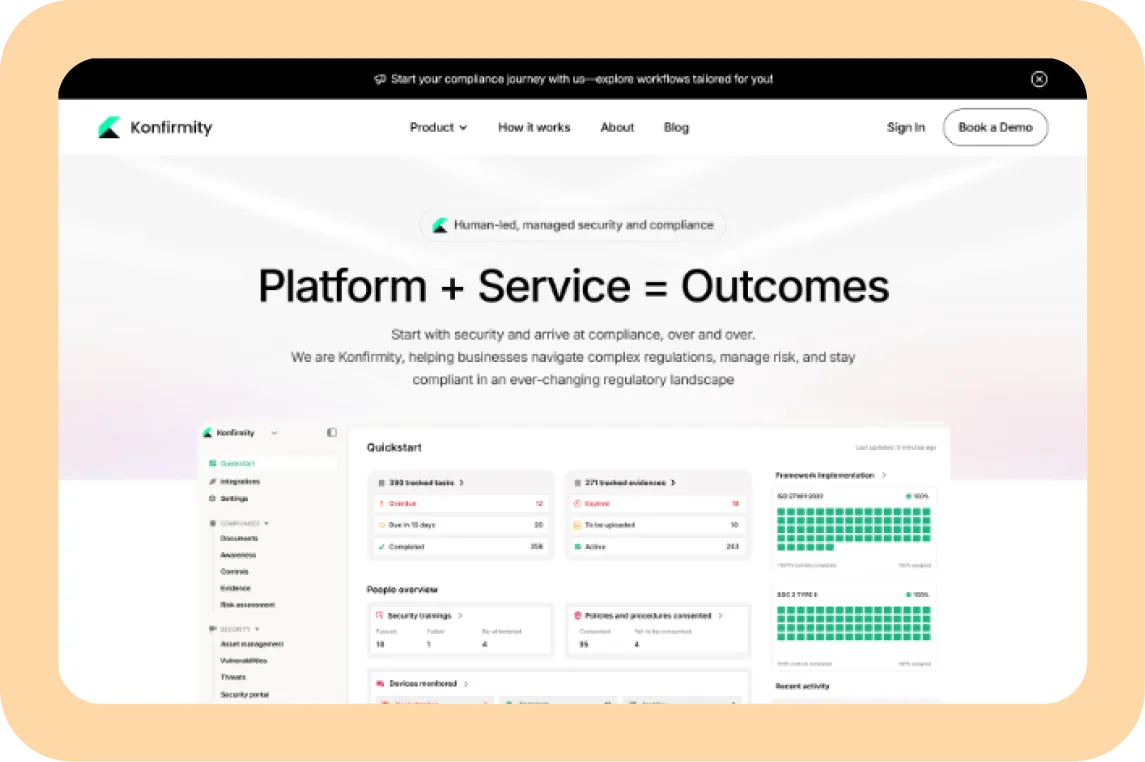
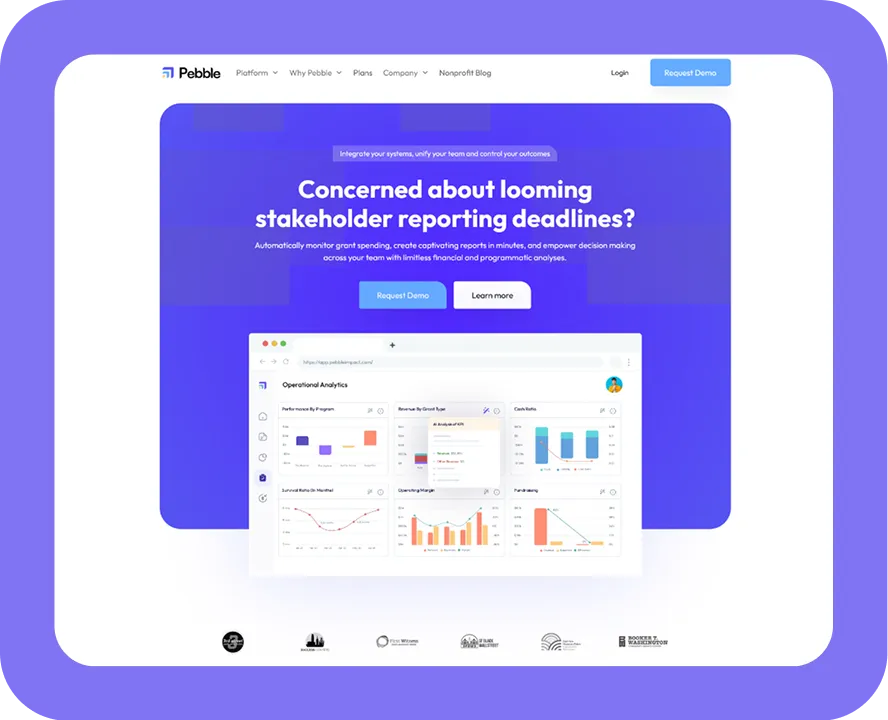
Want results like these?
Get a free AI product design concept. Delivered in 72 hours.
Why AI Products Fail on UX - Even When the Model is Exceptional
he model works. The accuracy is there. Your demos go well. But users don't come back. Adoption is lower than you projected. And the feedback loop is full of 'I wasn't sure what to do next.' That's a UX problem — and it's one of the most common failure modes in AI products.
AI capability doesn't communicate itself
A language model can summarise, classify, generate, and reason — but none of that is visible to a user staring at a text box. The UX has to surface the model's capabilities in a way that feels natural, not technical. Most AI products ship with the model's raw interface and call it a product. Users churn because they can't see the value, even when it's there.
Designing for AI uncertainty is a new problem most agencies haven't solved
AI outputs aren't deterministic. They can be wrong, incomplete, or misinterpreted. How do you design a UI that communicates confidence levels without eroding trust? How do you handle errors gracefully in a generative context? These are novel UX problems that require experience with AI products specifically — not just general SaaS design principles applied blindly.
LLM and copilot interfaces are genuinely harder to design than traditional SaaS
A traditional SaaS product has defined states: empty, loading, populated, error. An LLM-powered product has a conversation layer, multi-turn context, streaming output, tool use, and unpredictable response length. Designing interaction patterns for this is a different discipline. Most agencies haven't built the mental models for it yet.

Your AI product looks like every other AI product
Dark mode, purple gradients, glowing neural network animations, 'powered by GPT-4' in the footer. The visual language of AI products has become its own cliche. AI buyers — enterprise teams, technical founders, sophisticated operators — are deeply fatigued by it. If your product looks like every other AI tool, you're competing on hype. That's a race you won't win.
This is what great AI Product design looks like.
Not AI aesthetics applied to a generic SaaS template. A product designed around how AI actually works — and how users actually think about it.
Capability surfacing, not capability hiding
We design AI products to show users what the model can do — at the moment they need to know it. Prompt suggestions, contextual affordances, example outputs, confidence signals — baked into the interaction pattern, not added as an afterthought.
Interaction design for non-deterministic outputs
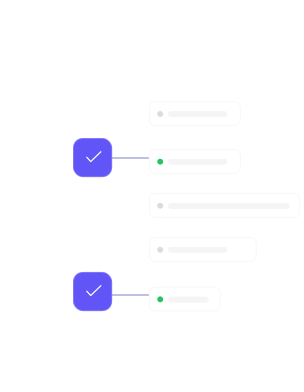
We've designed for streaming outputs, multi-turn LLM conversations, tool augmented responses, and error states specific to generative AI. We know how to handle hallucinations gracefully, how to show confidence without undermining trust, and how to design for the full range of model behavior.
AI-native visual language that doesn't look like every other AI product
We build a visual system that communicates intelligence without leaning on cliches. No glowing orbs, no purple gradients for their own sake, no 'AI washing' of a generic interface. A design system that's distinctive, credible, and specific to your product.
Workflow integration, not bolt-on AI
The best AI products don't feel like AI tools — they feel like the workflow got smarter. We design AI features that integrate into how your users already work, rather than forcing them to adopt a new mental model to get value from the model.
Design systems built for AI product iteration
AI products ship fast and iterate faster. We build component libraries and design systems in Figma that your team can use to design new AI features consistently — without starting from scratch every sprint.
We don't just design AI products. We use AI to design them.
Most design agencies talk about AI. We build it into how we work.
AI-assisted research and synthesis
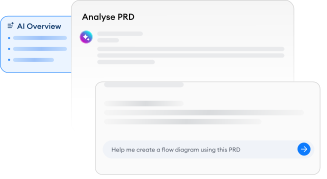
We use AI tools to analyse user interview transcripts, synthesise competitive audits, and identify pattern gaps faster than manual review — so we spend more time designing and less time processing.
Generative prototyping
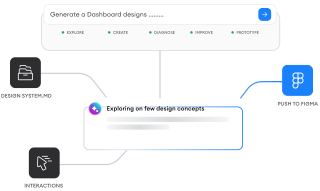
We use AI-assisted design generation to explore more directions in less time — then apply human design judgment to select, refine, and elevate the concepts worth pursuing.
Faster iteration on AI-heavy projects
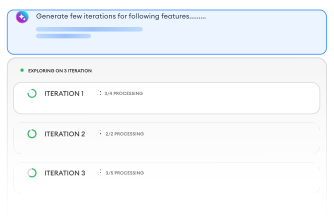
When your product is changing rapidly — new model capabilities, new features, shifting user behaviour — our AI-native workflow lets us keep pace. We're not a waterfall agency. We iterate.
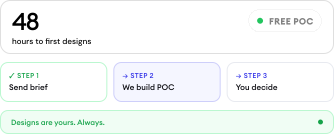
See results before you commit.
Share your product.
Send us your app URL or a product brief. We'll schedule a short discovery call to understand your model, your users, and what's not working in the current UX.
We design a concept.
We deliver a redesigned screen, flow, or interaction pattern — high-fidelity, AI-product-specific, ready for your team to review
You Decide
Love the direction? We build out the full engagement. Not right? Keep the concept. Zero risk, zero awkwardness.



















Why AI startups trust Fluidesigns with their product design
We've designed AI products before across multiple categories
Speech analytics, AI procurement, AI advisory tools, generative AI platforms, AI-powered hiring, AI edtech. We've worked across enough AI product categories to have built real mental models for what works — and what doesn't — in AI UX.
We use AI in our own design workflow
We're not a traditional agency applying old methods to a new category. AI tools are part of how we research, explore, and iterate. That makes us faster on AI projects and gives us first-hand understanding of what it means to design products that use AI outputs.
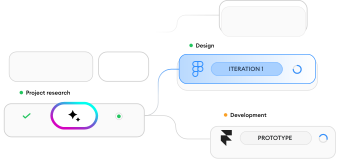
We understand the specific UX challenges of LLM-powered products
Streaming outputs, conversational context, tool use, uncertainty signalling, hallucination handling — we've designed for these. We bring patterns and precedents that most agencies are still figuring out.
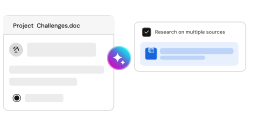
Minimal founder time
One structured discovery sprint. Senior designers who understand the AI product space. No long onboarding, no educating us about what an LLM is. We start from a shared foundation and move fast.
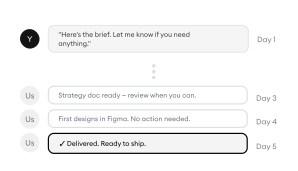
Zero-risk entry point
The free concept is real work — senior AI product design, delivered in 48 hours. If it doesn't show you exactly what we're capable of, you keep the files and we part ways.
What Does an AI Product Design Agency Actually Do?
1
AI product design is a distinct discipline.
It's not SaaS design with an AI badge added. It's not enterprise UX with a chatbot bolted on. It requires a different set of mental models — for designing around non-deterministic outputs, for surfacing model capabilities without overwhelming users, for building interaction patterns that hold up across the full range of what a language model can produce.
2
An AI product design agency needs to understand the specific challenges of LLM-powered interfaces
Streaming text rendering, multi-turn conversational context, tool-augmented responses, hallucination handling, confidence signalling, and the fundamental UX problem of helping users build accurate mental models of what an AI can and cannot do. Most general design agencies have never worked through these problems on a live product. The gap shows in the output.
3
Fluidesigns has designed AI products across multiple categories
Voicegain (enterprise speech analytics and AI transcription, Dallas), Axis Securities (AI-powered investment advisory chatbot), Valorant (AI-assisted procurement with conversational intake), Dalimss AI (AI edtech platform), Eternos Primathon (AI mobile application), and Wandel (AI-augmented hiring dashboard). Across these projects, we've built repeatable patterns for AI onboarding, model output presentation, error and uncertainty design, and AI feature integration within existing SaaS products.
We’re also an AI-native agency, using AI for research, design exploration, and iteration
giving us first-hand insight into designing products powered by AI outputs.
If you're building an LLM interface, an AI copilot, a generative AI tool, or adding AI features to an existing SaaS product, we're the agency that's already solved the design problems you're about to encounter.
FAQ
Is the free concept actually free?
Yes. We invest our time upfront to prove value. If you hire us, great. If not, you keep the designs and owe us nothing.
What types of AI products do you design?
LLM-powered applications, AI copilots and assistants, generative AI tools, AI-powered SaaS platforms, AI analytics dashboards, and AI features within existing SaaS products. We focus on B2B AI products — not consumer apps or AI tools for general audiences.
Do you design for specific AI frameworks or models?
We're model-agnostic — we've designed for products using OpenAI, Anthropic, custom fine-tuned models, and proprietary AI. Our work is at the UX layer, not the model layer. We understand how to design around model capabilities and limitations regardless of the underlying stack.
What's the difference between your two AI angles?
We work in two ways: (1) designing FOR AI companies — building the UX of AI-native products and platforms. (2) designing WITH AI — using AI tools in our own design workflow to move faster and explore more. Both benefit your project.
Do you work with early-stage AI startups?
We work best with Series A and above — AI teams that have a working model, early users, and a product they need to professionalise. Pre-product or pre-revenue AI projects are not our best fit.
What deliverables do we get?
User flow maps, wireframes, high-fidelity UI screens, interactive prototypes, AI-specific interaction pattern documentation, design systems in Figma, and developer handoff files. We scope based on your product and stage.
How long does an AI product design engagement take?
A focused flow or feature — onboarding, core AI interaction, dashboard — typically runs 3–6 weeks. Full product redesigns with design systems: 8–14 weeks. We scope clearly after discovery.
Do you work on AI features within an existing SaaS product?
Yes. If you're adding an AI layer — a copilot, a generative feature, a recommendation engine — to an existing SaaS product, we can design the AI UX within your existing design system and product context.
What does an AI Product Design Agency in USA actually help with?
An AI Product Design Agency in USA helps teams turn complex AI ideas into products people can actually understand and use. Most AI products already sound smart enough. The real challenge is making the experience feel simple instead of making users feel like they accidentally opened a spaceship control panel. That usually includes user flows, dashboards, AI interactions, onboarding, and making outputs easier to trust and interpret.
Why is AI UX design important for modern SaaS products?
AI products can become confusing very quickly if the experience is not structured properly. Good AI UX design helps users understand what the system is doing, why it is doing it, and what action to take next. Without that clarity, even strong AI features start feeling overwhelming or unreliable after a while.
What kind of AI products do AI UX Design Experts usually work on?
AI UX Design Experts usually work on AI SaaS platforms, analytics dashboards, recommendation engines, workflow automation tools, fintech products, data platforms, and AI powered business applications. These products often involve large amounts of data and decision making, so keeping the experience intuitive becomes a huge part of the work.
How does better AI UX improve product adoption and retention?
Better AI UX makes products easier to trust and easier to use. Users understand results faster, workflows feel smoother, and the product becomes less mentally exhausting over time. Funny enough, many users do not stop using AI products because the technology is weak. They stop because the experience becomes confusing halfway through using it.
Ready to make your AI product as good as your model?
Get a free AI product design concept in 72 hours.
No credit card, no commitment, no risk

Cross
Turn your website into a
conversion machine
We help SaaS teams turn traffic into customers through conversion-focused UX. Request a free redesign and see what’s holding your site back.
Request Free Redesign
Limited spots available for this week.